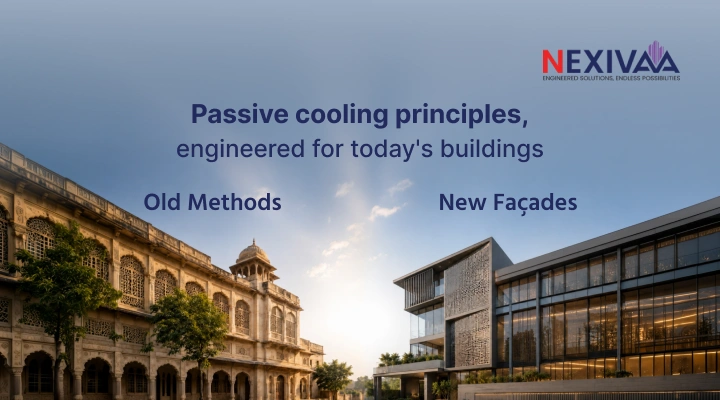

India’s urban skyline is evolving rapidly, and nowhere is this transformation more visible than in Delhi. As sustainability goals tighten and architectural ambition grows bolder, façade design has become a strategic performance decision rather than a purely aesthetic exercise. In 2026, architects are redefining how buildings respond to climate, energy demand, and urban identity through smarter and more expressive envelopes.
The Forces Reshaping Façade Design in Delhi
As urban density increases and sustainability standards tighten, façade strategies in Delhi are becoming more technically refined and performance-driven. Architects are no longer approaching façade design as a surface treatment. Instead, the building envelope is being developed as an integrated system that responds to climate, energy demand, and long-term durability.
The following trends reflect how architectural façade design is evolving across commercial, institutional, and mixed-use projects in the capital.
Below are the top trends shaping architecture façade design across commercial, institutional, and mixed-use developments in Delhi.
1. Climate-Responsive and Energy-Efficient Façades
Delhi’s extreme summers and fluctuating seasonal conditions demand intelligent solutions. Modern façade design is increasingly climate-responsive, balancing solar control, daylight optimization, and ventilation strategies.
Key elements include:
- High-performance glazing systems
- Double-skin assemblies
- External shading devices
- Insulated cladding panels
In commercial building façade design, reducing heat gain while maintaining transparency is critical. Architects are integrating performance modeling early in the process to ensure exterior façade design supports HVAC efficiency and occupant comfort.
2. High-Performance Glass as a Signature Element
Glass façade design continues to dominate urban commercial projects. However, the focus has shifted from fully glazed towers to strategically optimized glazing.
Instead of excessive transparency, Delhi architects are prioritizing:
- Low-E coated glass
- Solar control glazing
- Laminated safety systems
- Structural glazing with performance validation
This refined approach enhances daylight without increasing cooling loads. From office complexes to mall façade design, glass is being used more intelligently, balancing openness with performance integrity.
3. Expressive Front Façade Design for Brand Identity
In 2026, front façade design is a branding tool. Commercial and retail developments are using geometry, material contrast, and lighting to create visual distinction.
Popular strategies include:
- Sculpted metal panels
- Layered terracotta systems
- Textured stone compositions
- Integrated LED lighting
Commercial façade design now integrates engineering and marketing objectives. The building’s exterior must communicate identity while remaining durable and compliant.
4. Mixed-Material and Textured Elevations
Monotone finishes are fading. Architects are blending glass, metal, stone, and composite materials to create depth and movement.
In commercial building façade design and mall façade design, this layered approach improves:
- Visual hierarchy
- Structural articulation
- Maintenance planning
- Longevity
Exterior façade design is becoming multidimensional, combining aesthetic refinement with environmental performance.
5. Sustainable and Adaptive Systems
Sustainability is no longer optional. Delhi architects are prioritizing façade design strategies that reduce lifecycle costs and environmental impact.
Emerging practices include:
- Recyclable cladding systems
- Ventilated façade assemblies
- Shading-integrated architecture façade design
- Green wall integration
Modern façade design must now support ESG targets and energy efficiency benchmarks. Adaptive envelopes that respond to daylight and temperature are increasingly common in institutional and corporate developments.
6. Engineering-Led Precision in Execution
Another defining trend for 2026 is early technical integration. Architects are collaborating with façade engineering specialists from concept stage.
This ensures:
- Structural load validation
- Thermal performance alignment
- Constructability assurance
- Code compliance
Without engineering oversight, even visually striking façade design can fail under real-world conditions. Delhi projects increasingly emphasize precision-led detailing and performance-backed solutions.
Why Choose Nexivaa for Modern Façade Designs in 2026
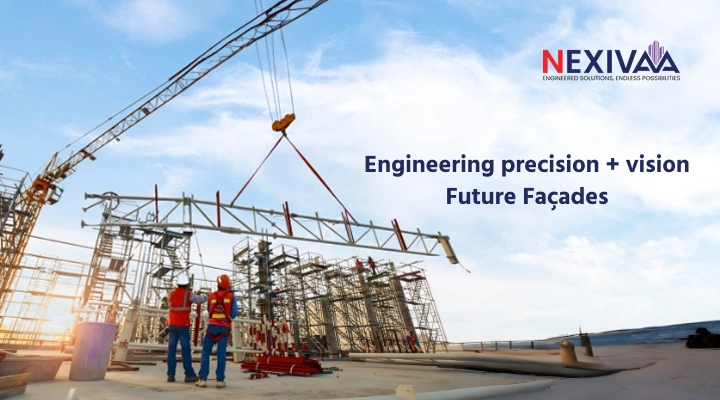
As façade expectations evolve, technical expertise becomes essential. Nexivaa delivers performance-driven façade design solutions tailored for commercial, institutional, and mixed-use developments across India.
Our services include:
- Concept-stage façade design strategy
- Architecture façade design validation
- Glass façade design, engineering,g and detailing
- Commercial building façade design optimization
- Mall façade design performance review
- Structural and thermal analysis
- Constructability assessment and on-site coordination
We integrate architectural vision with engineering precision, ensuring every exterior façade design meets durability, sustainability, and compliance benchmarks.
Is your next project ready to meet the 2026 façade standards?
Partner with us today and transform your façade design into a high-performance architectural asset that defines the skyline.
FAQs
1. Why is façade design becoming more performance-focused in Delhi?
Delhi’s climate demands better thermal control and energy efficiency. Architects now prioritize façade systems that reduce heat gain, improve daylight balance, and enhance long-term operational performance.
2. Is glass façade design still relevant in 2026?
Yes, but it is used strategically. High-performance glazing, solar-control coatings, and structural validation ensure that glass supports energy efficiency rather than increasing cooling loads.
3. What makes commercial building façade design different from residential?
Commercial building façade design must address higher occupancy loads, fire compliance standards, durability expectations, and brand representation while ensuring operational efficiency.
4. How early should façade engineering be integrated into a project?
Ideally, during the concept stage. Early coordination prevents costly redesigns and ensures the façade system is structurally and thermally optimized from the outset.
5. Are sustainable façade systems more expensive?
Initial costs may vary, but lifecycle savings from energy efficiency and reduced maintenance often make sustainable façade design more cost-effective over time.