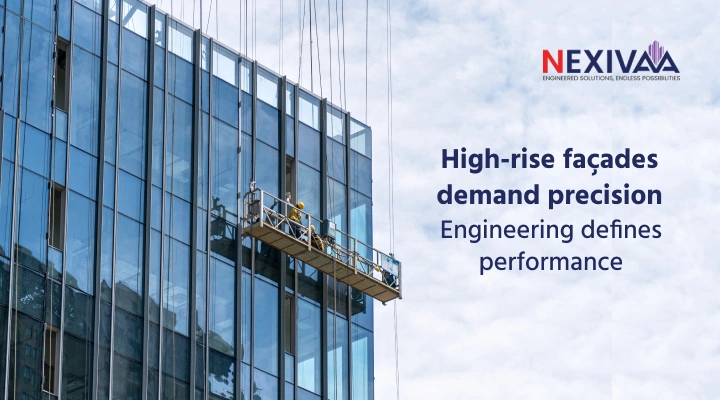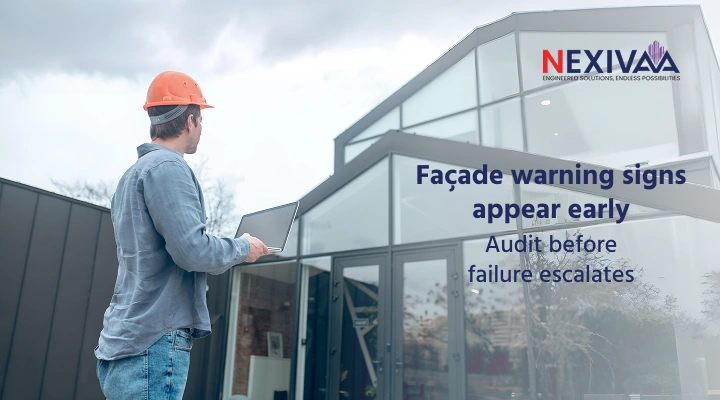

The façade industry is transforming the way modern buildings are designed, built, and maintained. As cities aim for smarter, greener structures, the demand for skilled façade professionals continues to grow. Façade engineering combines design creativity, material science, and structural precision, making it one of the most dynamic career paths in today’s construction world.
For aspiring professionals, façade engineering presents an opportunity to shape the appearance, performance, and longevity of buildings. From concept development to inspection and maintenance, every stage of façade work plays a vital role in creating safe, energy-efficient, and sustainable spaces.
If you’re curious about how to enter this field or grow within it, this guide will help you understand the key training areas, skill requirements, and career opportunities available in façade engineering.
Why Façade Engineering Training Matters
Training is the first step toward mastering façade systems and developing real-world expertise. It equips professionals with the technical and analytical skills needed to translate architectural ideas into practical, high-performance designs. With the global focus on sustainability and innovation, specialized training also helps professionals meet industry standards and keep up with rapid technological changes.
Well-trained façade engineers can:
- Improve the energy efficiency and performance of buildings.
- Detect and prevent structural or design issues early in projects.
- Coordinate better between architects, contractors, and suppliers.
- Contribute to safer, more sustainable cities.
Simply put, façade engineering training turns design concepts into lasting, high-performance realities.
Core Training Areas to Build a Strong Foundation
Façade engineering is a multidisciplinary field. To become an expert, focus on three key training domains that form the backbone of this profession.
1. Architectural Façade Training
Architectural façade training focuses on design principles, material selection, and visual harmony. Learners explore how to align façade systems with architectural intent while maintaining efficiency and aesthetics. This includes curtain walls, glass façades, shading devices, and innovative materials that enhance a building’s appearance and performance.
2. Façade Inspection Training
Every building façade must undergo periodic inspections to ensure safety and longevity. Façade inspection training teaches how to identify defects, use non-destructive testing methods, and prepare compliance reports. According to industry standards, façades should be inspected at least once every five years to prevent deterioration and maintain safety performance.
3. Façade Cleaning Training
Maintenance is crucial to keeping façades looking and functioning their best. Façade cleaning training helps professionals understand surface care, restoration methods, access techniques, and risk management, particularly for complex materials such as glass, aluminum, and composite panels. This training ensures durability while protecting the building’s visual appeal.
Skills Every Façade Engineer Should Master
Success in façade engineering requires a combination of creative design expertise and technical proficiency. The most effective professionals continuously update their skills to stay ahead in this evolving field.
1. Technical Proficiency
Knowledge of structural loads, wind pressure, and thermal performance is crucial for designing safe façades. Understanding the principles of heat transfer and waterproofing ensures efficiency and durability.
2. Digital Tools
Proficiency with BIM (Building Information Modeling), computational design, CFD (Computational Fluid Dynamics), and simulation tools allows engineers to optimize performance and minimize errors.
3. Detailing and Documentation
Accurate shop drawings, interface details, and compliance documentation help maintain quality and coordination among multiple project teams.
4. Communication and Collaboration
Façade projects involve architects, contractors, and engineers working together. Clear communication and collaboration skills facilitate smoother and faster project execution.
5. Field Awareness
A real-world understanding of site conditions, installation techniques, and code compliance is crucial for bridging the gap between design and execution.
Career Pathways in Façade Engineering
Façade engineering offers a wide range of career opportunities for both technical and creative professionals. With consistent learning and practical exposure, you can advance from an entry-level role to senior leadership positions.
-
Entry-Level Roles
You might start as a junior façade designer, site engineer, or drafting professional, supporting senior engineers in design and documentation.
-
Mid-Level Growth
With experience, you can become a façade consultant, design coordinator, or envelope specialist, leading specific systems or project areas.
-
Senior Leadership
At advanced levels, façade professionals move into managerial or directorial positions, overseeing large teams and shaping project strategies for major developments.
-
Continuous Learning
Career growth in façade engineering depends heavily on ongoing learning. Attend workshops, pursue certifications, and explore advanced topics like BIPV (Building-Integrated Photovoltaics), kinetic façades, and adaptive shading systems. Each new skill adds long-term value to your career.
Challenges to Expect in the Profession
Like any technical discipline, façade engineering brings challenges that make it both demanding and rewarding.
-
Complex Integration
Combining structural, thermal, and aesthetic needs requires precision and creativity.
-
Compliance and Risk
Meeting safety standards and building codes is essential for every design decision.
-
Evolving Technology
Materials and tools are growing rapidly; professionals must stay current to remain competitive.
-
On-Site Realities
Weather, installation constraints, and access challenges can affect real-world execution.
Overcoming these challenges builds problem-solving skills and deep industry expertise, setting you apart as a reliable façade professional.
Nexivaa: Your Partner in Façade Training and Career Growth
When it comes to building a rewarding career in façade engineering, the right mentorship and hands-on learning experience are essential, and Nexivaa provides exactly that.
-
Industry-Relevant Learning:
Nexivaa offers façade engineering training designed to meet the real-world needs of the industry. From concept design to inspection and maintenance, our programs help learners build a comprehensive understanding of façade systems.
-
Expert-Led Mentorship:
Our trainers include experienced façade engineers and consultants who share valuable on-site insights, technical knowledge, and project-based learning to help trainees excel in their careers.
-
Career Advancement Opportunities:
Through exposure to live façade projects and practical assignments, Nexivaa ensures professionals develop both confidence and competence. This direct industry connection prepares them for leadership roles and specialized positions within the industry.
-
Sustainability and Technology Integration:
We emphasize sustainable façade solutions and advanced technologies, empowering professionals to contribute to the creation of future-ready, energy-efficient buildings.
At Nexivaa, we believe in bridging the gap between education and professional success. Whether you’re starting your journey or looking to upskill, our façade engineering programs help you grow, innovate, and lead in one of the most transformative fields in modern construction.
Your façade engineering career starts here. Call us today to discover tailored training programs that help you build real-world expertise and stand out in the industry.
FAQs
1. Why is façade engineering training important?
It equips professionals with the skills to design, analyze, and maintain building envelopes. Training ensures façades are energy-efficient, durable, and safe while meeting global performance standards.
2. What skills are necessary for a career in façade engineering?
A strong knowledge of materials, structures, and environmental design, along with digital tools such as CAD and BIM, is essential. Hands-on experience through practical training strengthens these abilities.
3. How do façade inspection and cleaning training add value?
Both ensure the façade remains safe and functional throughout its lifespan. Inspection identifies potential issues early, while cleaning preserves performance and appearance.
4. What career roles can façade engineers pursue?
Professionals can work as façade designers, consultants, or project coordinators in architectural or construction firms. With experience, they can advance into management or specialized technical roles.
5. Why should professionals collaborate with Nexivaa?
Nexivaa offers end-to-end façade and fenestration expertise, focusing on sustainability, precision, and innovation, making it the ideal partner for professionals and organizations seeking excellence in façade performance.